
Carré: a landmark of the performing arts
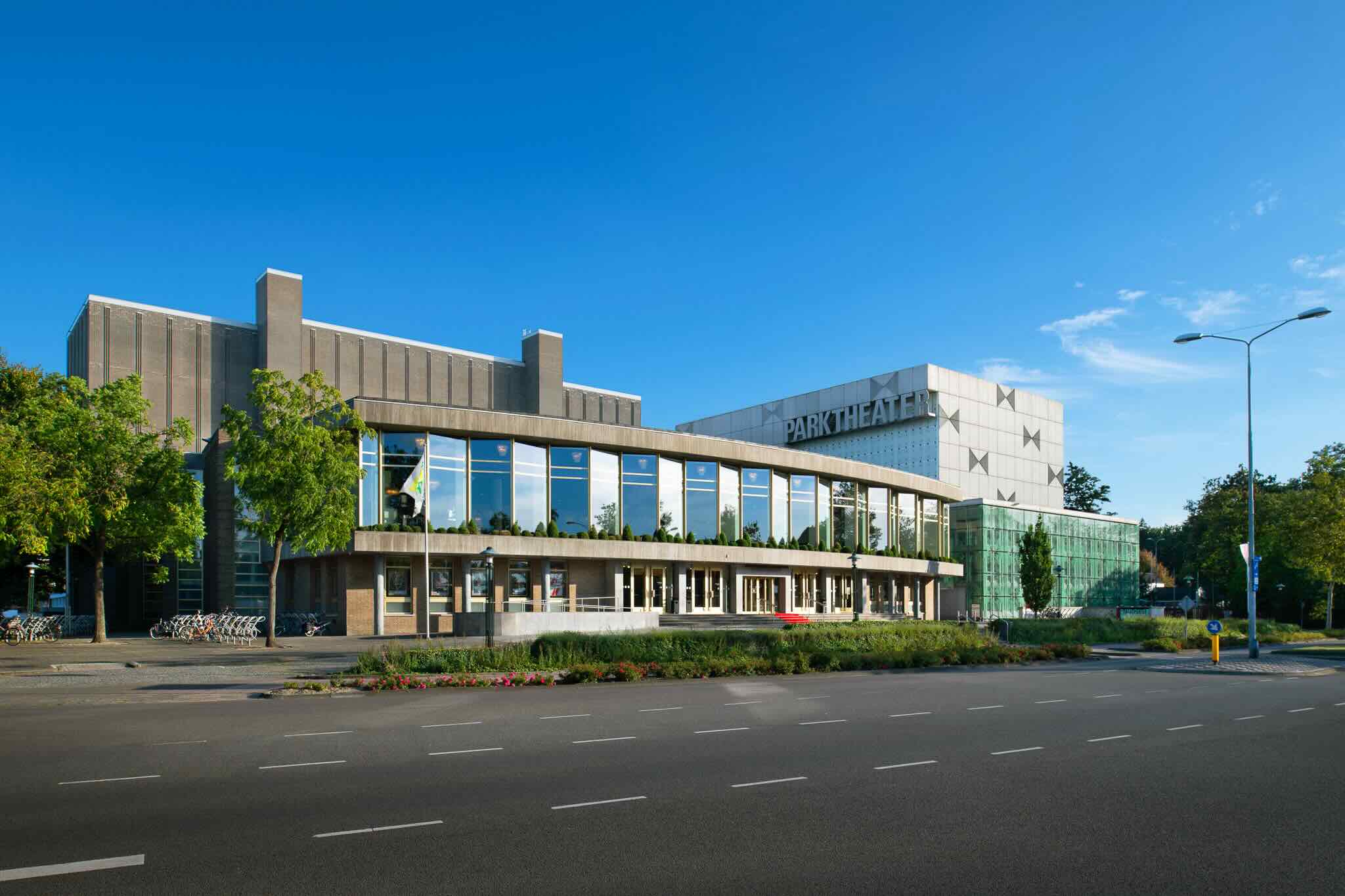
On the banks of the Amstel stands Royal Theatre Carré, one of the Netherlands’ most iconic cultural venues. With a rich history and a broad program that spans musicals, cabaret, opera, dance, circus and concerts, Carré welcomes roughly 400,000 visitors each year. It is a theatre with a distinct character, a loyal audience and a clear artistic vision.
When Excel is no longer enough
Dynamic pricing, the practice of adjusting ticket prices based on current demand and availability, is a familiar tool for many theatres. But Carré does not use it simply to maximize revenue per seat. Its goal is more nuanced: to sell every available seat at a price that makes sense for each visitor.
As Carry van der Sleen, Ticketing Manager at Royal Theatre Carré, explains: “It’s about being able to sell every seat at the right price. If there is more demand for a higher-priced section, that may allow us to raise that price, while also adding more affordable seats elsewhere. In that way, we can also make Carré more financially accessible to people with smaller budgets.”
At Carré, however, making those adjustments had become a time-consuming manual process. For each change, staff had to consult reports, calculate occupancy levels by seating category and then translate that analysis into a price update in the ticketing system.
It took time, required focus and left room for error. The workload also had another consequence: some performances were simply skipped, because a thorough analysis for every event demanded too much time.
The need for automation was clear. But for Carré, automation could not mean blindly handing over decisions to a pricing algorithm. The team needed to retain the freedom to judge every proposed change in its specific context.
Technology advises, people decide
Ticketmatic Studio developed a unique dynamic pricing solution for Carré, built around the theatre’s own way of working. A standard feature would not have been enough. Every organization has its own processes, thresholds and reasons for accepting or rejecting a proposed price change.
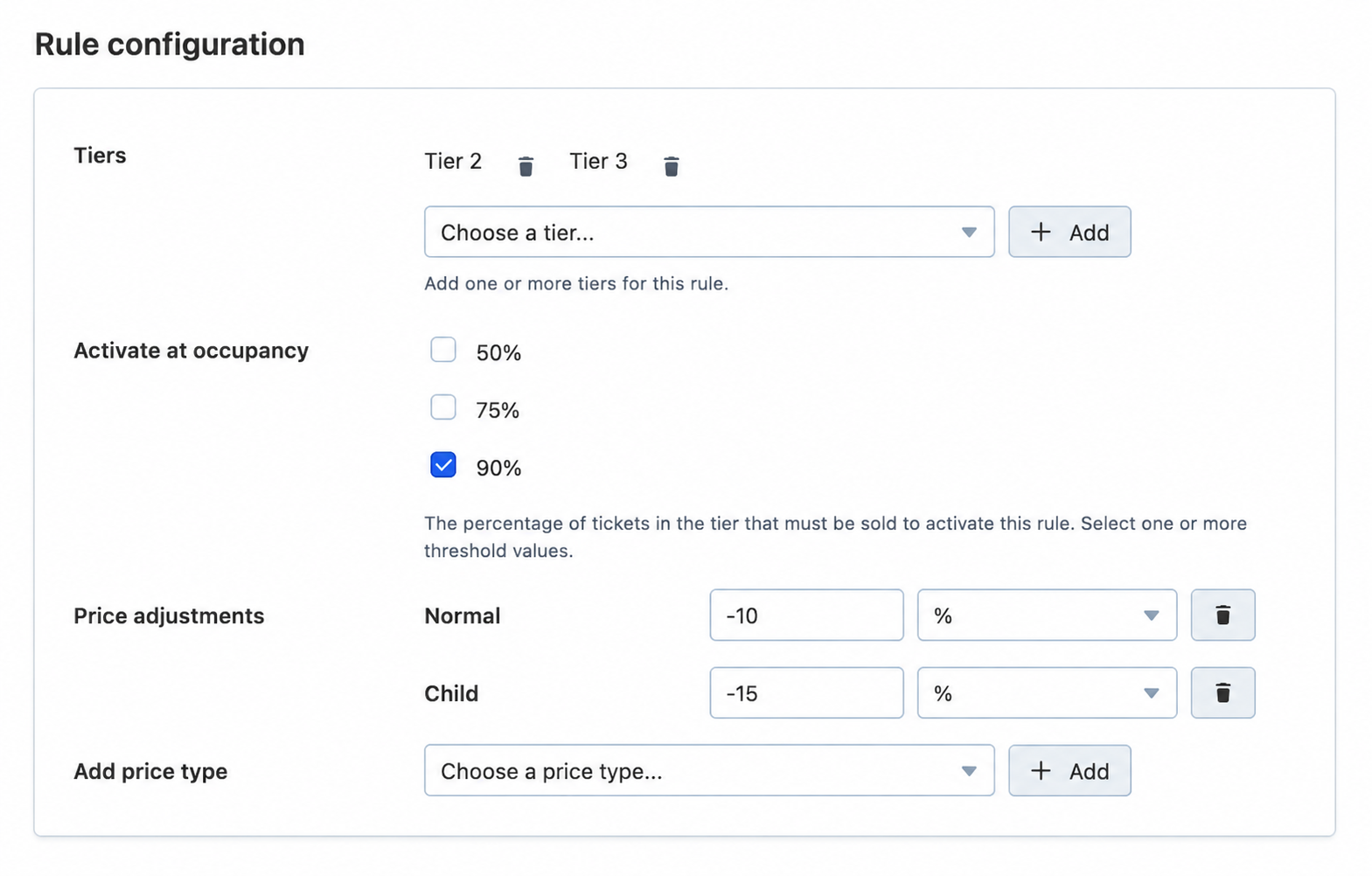
Rather than an algorithm that automatically changes prices without human intervention, Carré deliberately chose a model in which technology advises and people decide. The solution continuously monitors occupancy by seating category, based on predefined rules. When a threshold is reached, the person responsible receives an email with a concrete pricing proposal. With one click, the change can be approved or ignored.
That human control is crucial. Carry gives a simple example: if a colleague entered a corporate group booking of 100 tickets the day before, suddenly pushing occupancy past a threshold, she would not necessarily raise the price. In that case, the higher occupancy does not reflect organic demand.
What the system does do is take over the heavy analysis and surface the right signal at the right moment. The configuration is flexible: specific rules can be set by seating category and event type. That allows Carré to align its pricing logic with the specific nature of each program, without requiring a technical change every time. The solution is fully integrated into Carré’s existing ticketmatic environment, so no additional systems or integrations were needed.
From briefing to working solution
The project began with a clear briefing from Carré. The team knew what it wanted and had already mapped out its principles and working method in detail.
Together with the ticketmatic Studio team, they translated that foundation into a working solution. This was not a standard tool that was adjusted afterward, but a system developed from the start around Carré’s specific context. Thanks to that clear preparation, the process moved smoothly from first discussion to working product.
The collaboration went very smoothly. We knew what we wanted, so we were able to brief the Studio team clearly. They understood the request straight away and turned it into a solution that worked. After a short round of fine-tuning, everything now runs exactly as it should.
-- Carry van der Sleen
--- Ticketing Manager, Royal Theatre Carré
More room for what truly matters
Since the rollout, the Carré team has gained noticeable breathing room. The time-consuming research and manual calculations have disappeared. Where the person responsible previously blocked half a day each week to go through performances by hand, a quick daily inbox check now does the job.
I used to have half a day reserved in my calendar on Monday or Tuesday to manually go through the performances. Now I receive a notification every day, open it, review it and click through, or I ignore it. It saves an enormous amount of time.
-- Carry van der Sleen
--- Ticketing Manager, Royal Theatre Carré
Beyond the standard
Cultural organizations often face challenges that no off-the-shelf solution can fully address. If your work calls for a tailored approach, get in touch. Let's find out what works for you.