
When newcomers arrive in the Netherlands, they enter an integration process focused on language learning, civic orientation, and participation in society. The number of required participation hours depends on the learning pathway assigned by the municipality. For some, this means a shorter program of around 300 hours; for others—particularly those in the Z-route (Zelfredzaamheidsroute)—it involves a much more intensive trajectory, with at least 800 mandatory participation hours.
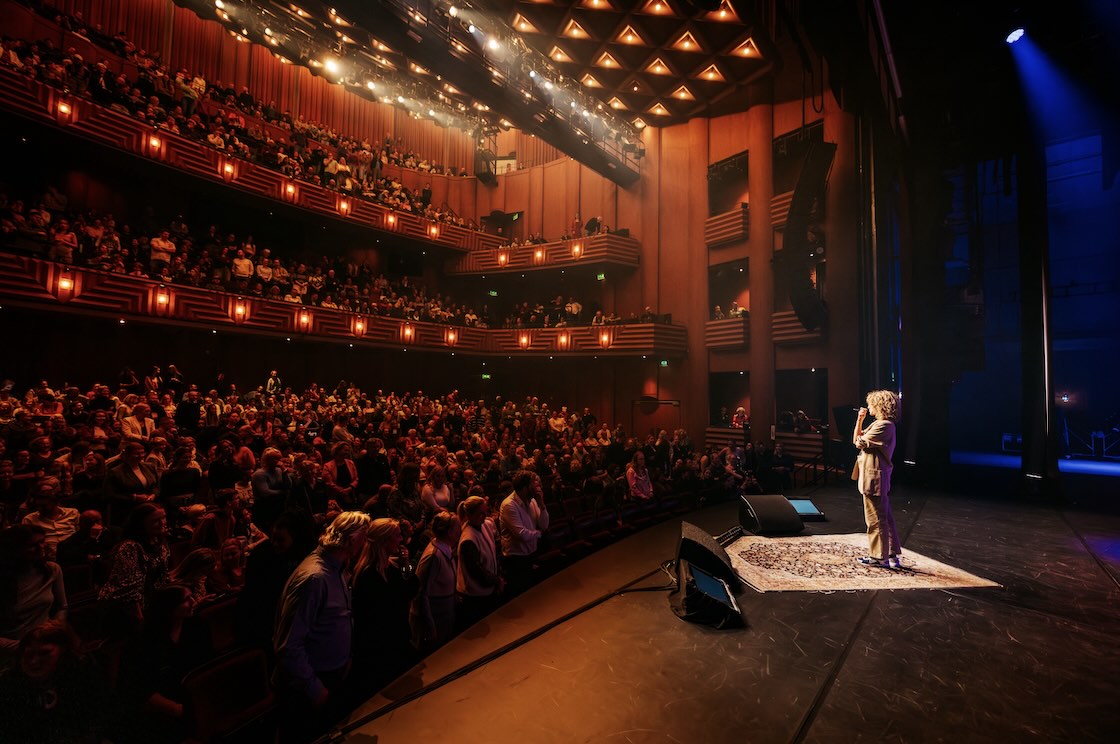
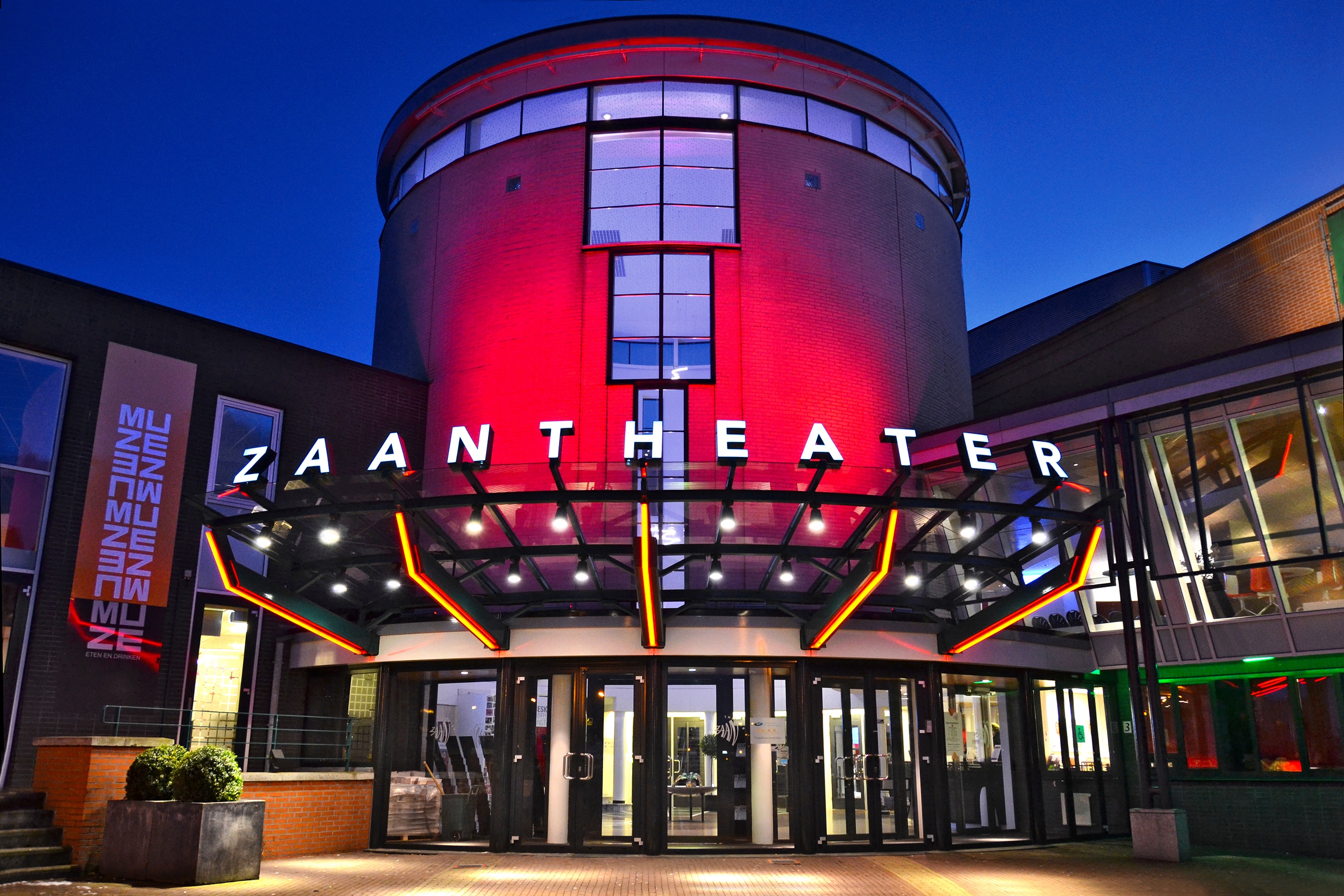
NewBees supports newcomers in finding meaningful places where they can participate, practice, and grow. The Zaantheater—a regional theater and cultural meeting place in the Zaan region—aims to be a welcoming house for everyone. A collaboration between the two organizations therefore felt like a natural fit. Since early 2025, newcomers have been volunteering at the heart of the theater’s operations, paired with experienced volunteers who act as buddies.
What began as a simple idea grew into a warm and impactful project—one that not only supports newcomers, but also enriches the theater itself and its audience. This article tells the story of how it came together, based on conversations with Shari Isselt, community engagement officer at the Zaantheater, and Manal Janbeh, coordinator at NewBees.
From first contact to collaboration
Shari is the Zaantheater’s first-ever community engagement officer. Her role is to stay closely connected to the needs of the diverse communities in the Zaan region and to actively involve them in the theater’s work. The position was created deliberately, signaling the organization’s long-term commitment to inclusion and connection with the city.
During an introductory visit to NewBees, the idea for a collaboration quickly emerged. Shatha Tamim from NewBees explained how difficult it can be for newcomers to find suitable places to complete their participation hours. “All opportunities are welcome,” she said. “Even cleaning jobs, just being able to say hello and good morning to colleagues already makes a difference.”
Shari immediately saw the potential to offer something more interactive, something that would foster real contact. “If you’re learning Dutch, you want to be around people you can actually practice with,” she explained. She proposed that newcomers could join the theater’s volunteer team as ushers, always paired with an experienced volunteer as their buddy. Management approved the idea almost immediately.
Building the buddy program
Together with her colleague Yara van Gijn, Shari looked for volunteers who were willing to take on the role of buddy. At the same time, NewBees selected participants who were curious about the theater and open to engaging with others, even if they didn’t yet speak Dutch or English fluently. “That idea was understandably intimidating for many of our participants,” Manal explains. “Approaching visitors without knowing the language takes courage.”
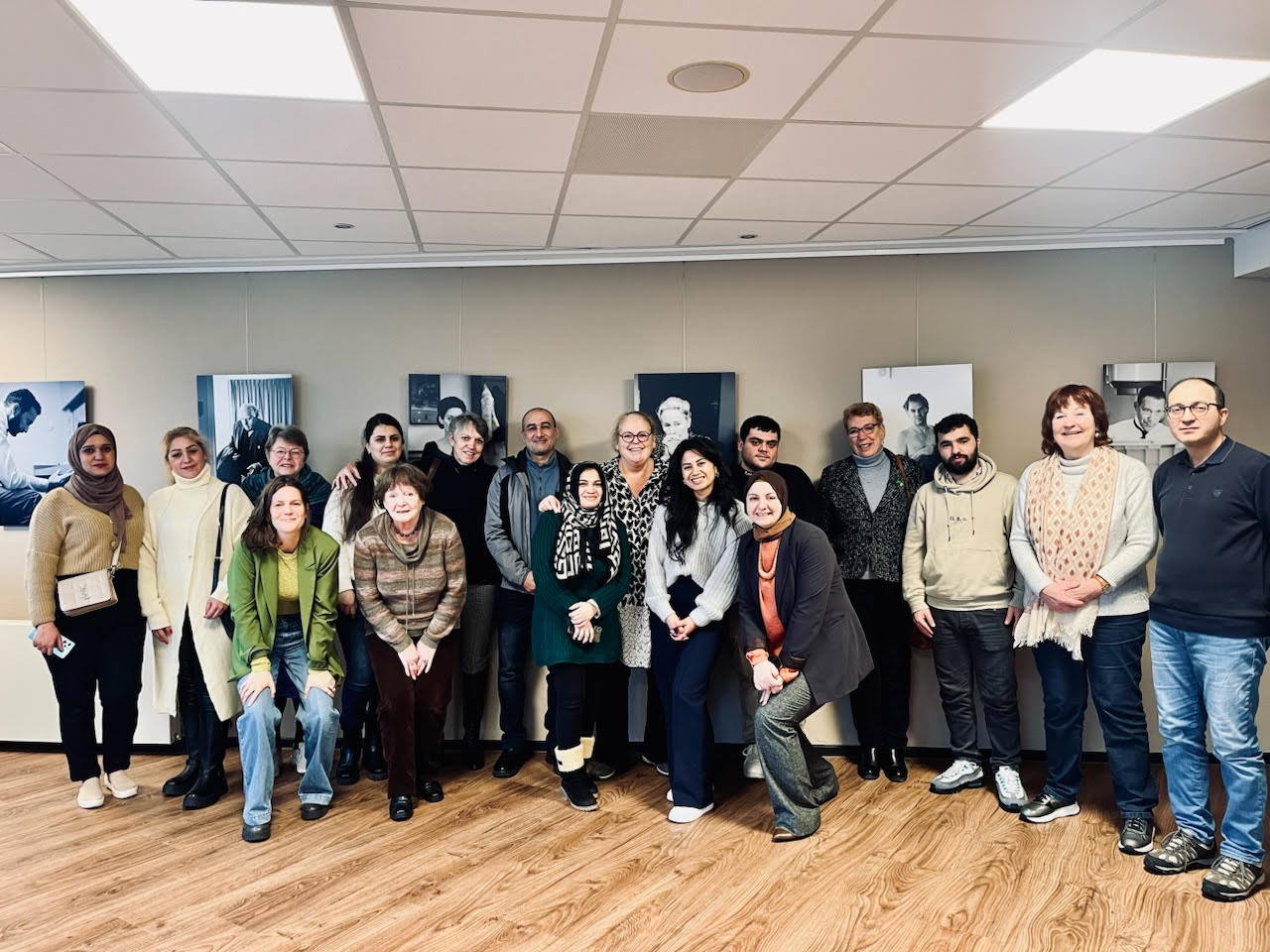
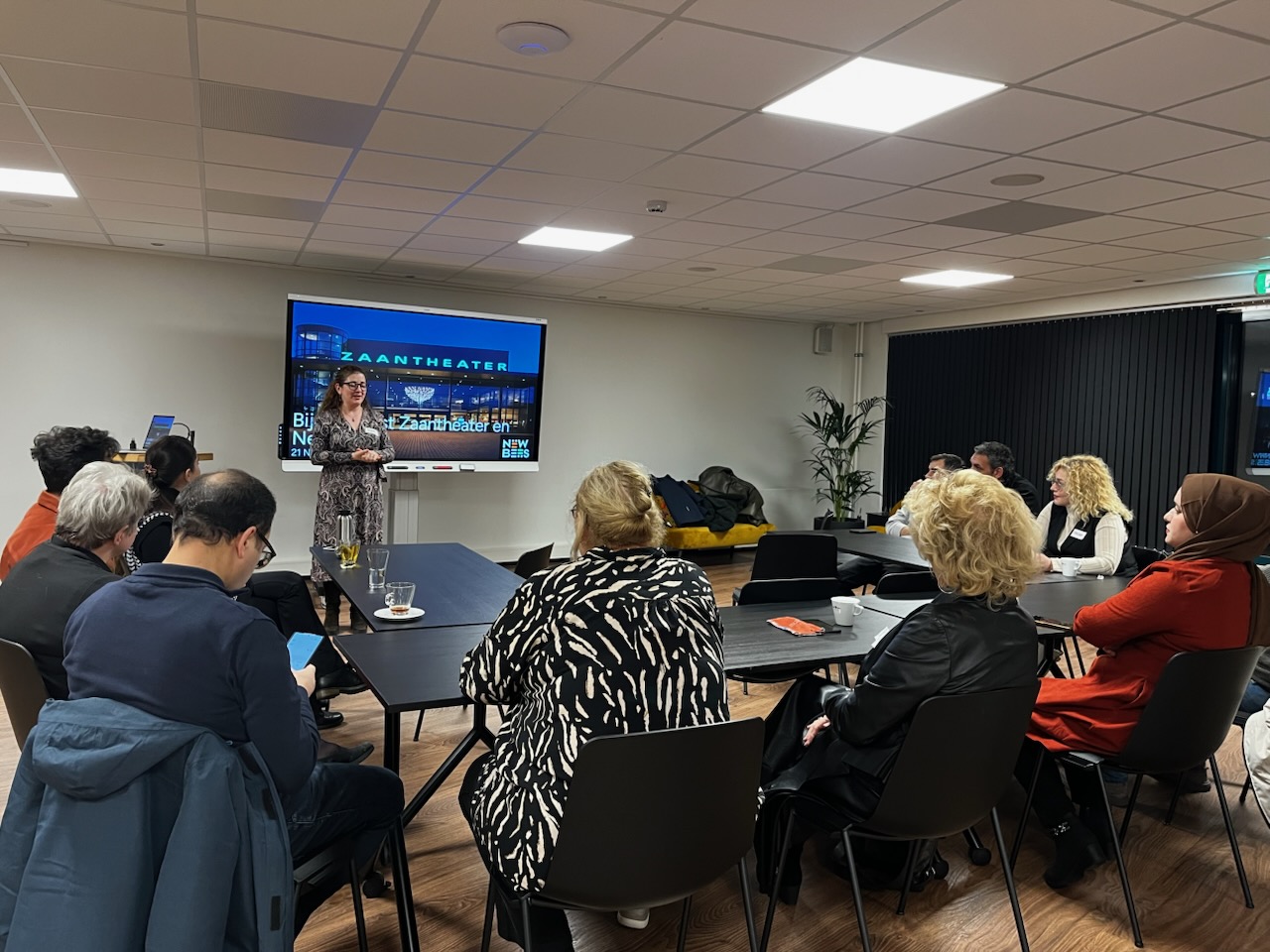
During an initial group meeting, both groups got to know each other. Shari and Yara carefully paired the duos, after which the newcomers immediately joined the regular volunteer workflow. They performed the same tasks as everyone else: welcoming visitors, scanning tickets, opening doors, and helping guests find their seats.
The theater buddies received clear guidance. When welcoming visitors, they were encouraged to invite their NewBee to step forward and take the lead. Safety was also discussed explicitly. Theater audiences are diverse, and Shari wanted to ensure that newcomers would always feel supported. In practice, there were no negative incidents—only positive responses from visitors.
Sometimes, small interventions made a big difference. One buddy deliberately stepped aside so that visitors would speak directly with the newcomer instead of defaulting to the Dutch volunteer, a subtle but effective form of coaching.
A theater that communicates beyond words
Many participants initially worried that language would be a major barrier. In practice, that fear quickly faded. According to Manal, words often matter less than we think. “You start using your hands and your body, your facial expressions—and that works,” she says.
Visitors to the Zaantheater turned out to be remarkably open and patient. Short conversations emerged naturally, curiosity flowed both ways, and newcomers felt seen, even without many words. That experience gave them confidence and reassurance: they didn’t have to do everything perfectly in order to belong.
One buddy shared during the evaluation how the project even changed her perspective on international news. After reading in the paper that Syria was becoming safe again, she knew that reality was far more complex because through her buddy, she had gained a much deeper understanding of what families there are still facing.
Small steps, lasting impact
For many newcomers, the project created a strong sense of being taken seriously. “By participating in our daily operations, by being there alongside everyone else, they feel acknowledged as people,” Shari explains. That recognition has a direct impact on both confidence and language development.
Ali is a powerful example. When Shari first met him the year before, he was very shy. A few months later, he confidently explained—in full sentences—that he wanted to take on even more volunteer shifts, including evenings, because he enjoyed the work so much. He also shared that he once dreamed of becoming an actor, but that this had never been a realistic option in Syria. At the theater, he feels closer to that dream than ever before.
The dignity of the work itself also matters. At the Zaantheater, staff and volunteers are expected to wear black clothing, not a uniform, just their own clothes. Manal notes that many participants find this meaningful. “Now I’m really at work,” one of them said. It shows the power of dignified volunteer work, something that goes far beyond simply learning better Dutch.
In some cases, the project naturally extended beyond the theater. Without being planned or required, buddies met up with their newcomers for coffee, shared personal stories, and even organized a boat trip together. What started as a volunteer program grew into genuine friendships.
Conclusions
The collaboration between the Zaantheater and NewBees shows how powerful it can be when a cultural organization commits to real connection. By giving newcomers a visible role in everyday operations, contact between people emerged organically, sometimes through brief conversations, sometimes through a simple greeting, but always enough to create a sense of belonging.
From the outset, the Zaantheater chose not to treat the buddy program as a standalone initiative, but to embed it fully within its existing volunteer structure. Newcomers also took part in group evaluation moments, reinforcing the feeling that they truly belonged. This approach played an important role in building confidence and supporting personal growth.
At the same time, the project fostered genuine cultural exchange. Through their buddies and the performances they attended, newcomers learned more about Dutch culture, while the buddies themselves gained new perspectives by seeing the world through different eyes.
What began as a small idea had a remarkably large impact. With a simple setup and the commitment of just a few people, the Zaantheater brought newcomers, volunteers, and visitors closer together. It showed that meaningful connection doesn’t require large-scale programs, just intention, trust, and openness.
Tips for theaters interested in trying this
The experiences of the Zaantheater and NewBees show that projects like this don’t have to be complex. Their key lessons:
- Start small
One or two buddy pairs are enough to begin.
- Work with an experienced partner
NewBees provides guidance, screening, motivation, and follow-up.
- Be clear from the start
Clear expectations around tasks, roles, and safety help everyone feel secure.
- Appoint a dedicated point of contact
Someone who is approachable and trusted by both sides.
- Communicate simply and personally
WhatsApp reminders and informal check-ins work better than formal meetings.
- Stay involved throughout
Ongoing, informal contact is more effective than infrequent evaluations.
- Offer meaningful responsibilities
Real tasks strengthen confidence and engagement.
- Create a warm welcome
Small gestures—a smile, a greeting, a short conversation—make a big difference.
Want to learn more?
Curious to learn more about how NewBees supports newcomers and the projects they run? Visit their website: https://new-bees.org/