
New artists rarely arrive fully formed, ready to step onto the biggest stages. Most develop first in rehearsal rooms and studios, where they’re given the time and space to experiment; in conversations where experienced professionals offer honest feedback; and at open mic nights where they perform for small audiences.
That’s exactly where Het Depot, a music venue in Leuven and one of the first organizations to work with ticketmatic, is making a real impact through Depot Academy. More than booking established acts and selling out shows, their real motivation lies in helping undiscovered talent grow and develop.
Mike Naert, co-founder and director of Het Depot, explains how talent development works within their organization. He walks us through how their approach is structured, the challenges they face, and why investing in emerging artists isn’t just a side activity — it’s the very reason he and his team do this work.
Balancing budgets and artistic ambition
To understand how Depot Academy operates, you first have to understand Mike’s role and how it shapes the day-to-day work at Het Depot. His job is hard to capture in a single title: he’s a co-founder, director, programmer, and much more.
Programming still sits at the core of what he does, but the role goes far beyond putting together an artistic calendar. “Programming has a creative and artistic side, but it also has a very important financial dimension,” Mike explains. “For example, we need to bring in enough shows that are a bit more commercial, because those ultimately help fund the rest of our activities.”
Programming is therefore always a balancing act. Popular acts make it possible to invest in other initiatives like Cool — their festival focused on soul, funk, and jazz — as well as in talent development. And those kinds of initiatives often require a lot of effort without generating any direct financial return.
Mike is also a strong advocate for artistic talent beyond the walls of Het Depot. For decades he has been an important figure in Belgium’s pop and rock scene. He collaborates closely with other music venues and organizations such as VI.BE, follows cultural policy debates, and actively contributes to discussions about how the pop-rock sector should be organized and supported. His commitment comes from years of hands-on experience and a deep connection with artists, venues, and the broader ecosystem they all operate in.

Talent development as a core mission
At Het Depot, talent development isn’t a separate program detached from the rest of the organization. “We’ve always consciously chosen to give our presentation function and our development function equal importance,” Mike says. “We’re simply the right place for that.”
This vision is rooted in the idea that talent needs time and the right environment to grow. “One of my now slightly cliché lines is: talent isn’t born on the stage of Rock Werchter. It needs a place like Het Depot where it can take its first steps.” Depot Academy therefore isn’t a rigidly structured program. Instead, it’s an environment where artists can come in, take the time they need, and develop at their own pace according to their own needs.
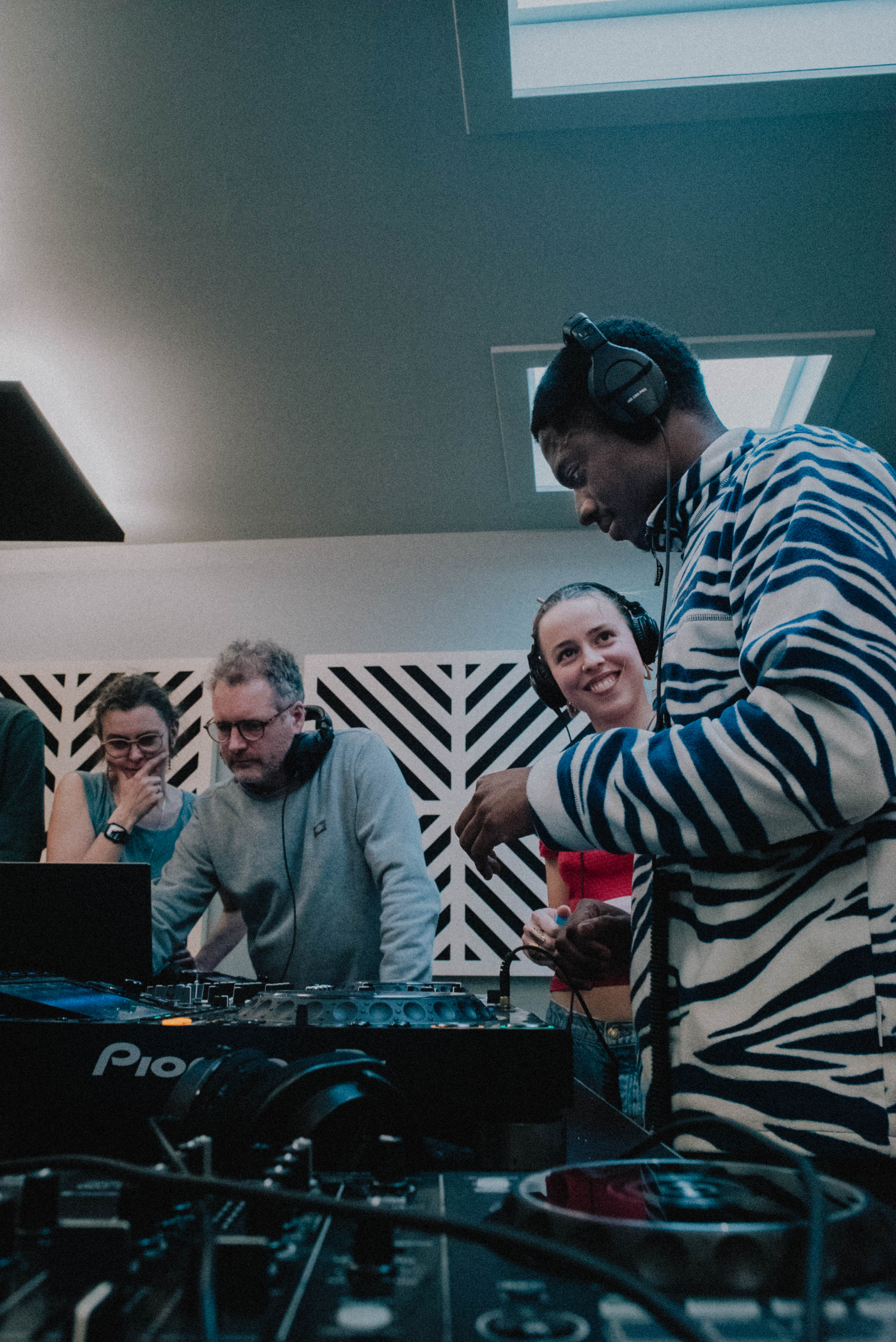
Artists often first enter Het Depot through open mic nights like Rauw or competitions such as Soundtrack. Those who stand out may later move on to become artists in residence. Residents receive a combination of infrastructure — rehearsal rooms and studio spaces — and guidance, ranging from artistic feedback to help building professional connections. For some artists, simply having access to the infrastructure is enough to help them move forward. For others, the focus is more on professional development. “With Kaat Van Stralen, for example, we helped her find the right team,” Mike says. “We spent about a year looking for the right booker and the right manager. Now she has both. And now… she’s doing it.” For young artists, the biggest challenge is often simply getting on the radar of programmers. “We receive thousands and thousands of emails asking for shows,” Mike explains. “We simply can’t respond to all of them. But if we see an email from an artist we’ve already encountered through something like Soundtrack, we’ll definitely take a closer look.”
The Academy is supported by a small, dedicated artistic team within Het Depot. Mike personally follows many of the trajectories, together with two colleagues, Marthe and Simon, who focus on talent development and programming. Together they act as a sounding board, offer feedback, connect artists with relevant contacts, and help them find their way — informally, but with long-term commitment.
The reality behind the ambition
Developing artists takes time, space, and guidance. But structurally, it also runs up against financial limits. “Recording music still costs money,” Mike says. “Good musicians, good producers, good songwriters — all of that involves hours of work that often go unpaid.” The same challenge applies to artwork, promotion, and rehearsal time. “In classical music, nobody rehearses for free. Zero,” Mike says. “In pop and rock, almost everyone does.”
Limited resources have a direct impact on how talent development can take shape today. “We can’t provide financial support,” Mike explains. “What we can offer is infrastructure and advice.” For artists who don’t have their own resources — or families who can support them financially — development often comes with a constant level of uncertainty. According to Mike, this situation reflects a broader structural imbalance in how different music genres are supported. That imbalance directly affects what’s possible: how much time artists can dedicate to their craft, how much risk they can take, and how long a development trajectory can last before results begin to show.
“One of my dreams is that we could earmark part of our budget and give it directly to artists, so they can develop without financial stress.” That need goes far beyond a single organization and touches on the broader way talent development is structured in Flanders.
Why this work still matters
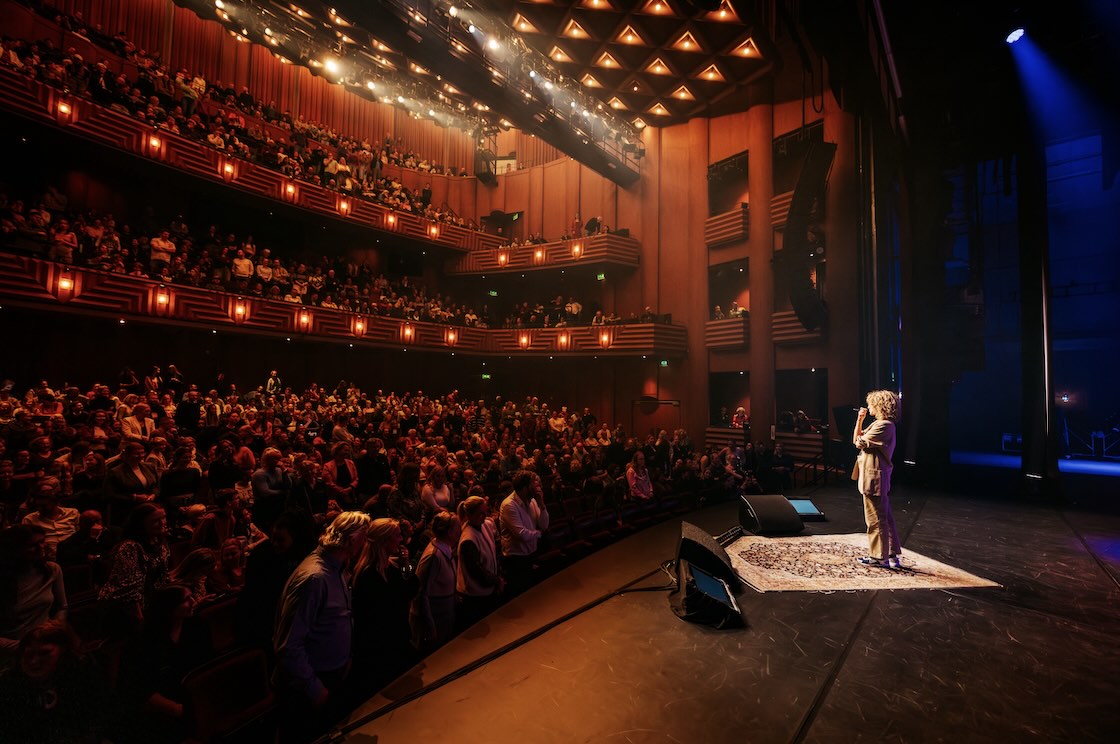
The impact of initiatives like Depot Academy often only becomes visible later. Artists who now play major stages once started out in small environments where they were still figuring things out. Mike mentions names like Selah Sue, Ão, and Portland — artists who still consider Het Depot a kind of home long after their early development there. “They cherish this place,” he says. “And the people who took care of them here.” For Mike, the motivation isn’t about numbers or metrics. It’s about the direct connection with artists and creating opportunities for people who need them. “My favorite nights are the ones where maybe sixty or seventy people show up,” he says. “Because that’s where you might discover tomorrow’s big newtalent.”
Depot Academy shows how cultural organizations — even with limited resources — can make a meaningful difference for artists who might otherwise struggle to develop. Sometimes that means actively helping them think things through or connecting them with the right people. Sometimes it simply means giving them space and time. Not because it’s profitable, but because it matters — for artists, for cultural organizations, and for the musical landscape they are all part of.